A good Christmas wish list isn't a pile of things you want. It's a shopping tool for someone else - and that's the shift that makes it actually work.
Most lists fail for the same reason: they're vague. "Books" or "something cosy" leaves the buyer guessing, so they either overthink it or give up and buy a gift card. A list that names the thing, the size, the colour and roughly the price gets you presents you'll use, and makes life dramatically easier for the person shopping.
Here's how to build one properly, and a free template to fill in.
What makes a wish list actually useful
Three things, and they all come down to removing guesswork.
Be specific enough to buy from. Not "a jumper" - "a wool jumper, size medium, in green or navy." Not "kitchen stuff" - name the item.
Spread the prices. Include small things, medium things and one or two bigger ones. People have wildly different budgets and most feel awkward asking. A list with a cheap option and a bigger one lets everyone find something comfortable.
Say where to get it. A shop name or a link saves the buyer twenty minutes. This is the single kindest thing you can do for whoever's shopping.
How to make a Christmas wish list, step by step
1. Brain-dump first, edit later
Write down everything without judging it. Things you've wanted for months, things you keep putting off buying, things you'd never spend your own money on. Don't organise yet - just get it out.
2. Cut anything you don't actually want
Be honest. If it's on there because it seems like a reasonable thing to want, take it off. Every filler item raises the odds you get the filler instead of the thing you'd love.
3. Add the specifics
Go back through and add size, colour, quantity, edition, flavour - whatever applies. This is the step most people skip and it's the one that does the work.
4. Sort by price
Group into three bands: small, medium, and bigger one-off gifts. Adjust the thresholds to whatever suits your family.
5. Add links or shop names
Even roughly. "Any garden centre" or "the bookshop on the high street" is enough.
6. Share it before people start shopping
Early December at the latest. A wish list that arrives after everyone's bought is just a list of things you didn't get.
What to put on a Christmas wish list
If you're stuck, these categories tend to jog the memory:
Things you use daily and would like nicer versions of - a good umbrella, decent headphones, proper kitchen knives, a nicer towel.
Things you've been putting off replacing - the frying pan with the flaking coating, the pillow that's gone flat, the slippers with the hole.
Consumables you always run out of - good coffee, nice candles, decent socks, your usual skincare. Unglamorous and always welcome.
Hobby-specific items - the thing you'd buy if you were being indulgent. People love buying these because it feels personal.
Experiences rather than objects - a class, a membership, tickets, a day out. Particularly good if you're short on space.
Things for the house - plants, a nice throw, a print you've had your eye on.
Wish lists for children
Kids' lists need a different approach, mostly because kids will list everything they've ever seen advertised.
Try four categories: something they want, something they need, something to wear, something to read. It keeps the list balanced and stops it becoming a catalogue.
For younger children, it helps to write it together and let them draw items they can't spell yet. And it's worth quietly noting which items are non-negotiable in their mind versus nice-to-have - that saves a lot of Christmas-morning disappointment.
Family wish lists
If you're coordinating a whole family, one shared list per person solves the two classic problems: duplicate presents, and three people all buying the cheapest thing.
The trick is a column to mark items as claimed - visible to everyone except the person the list belongs to. A printed version pinned somewhere works surprisingly well for this, since it's harder to accidentally spoil a surprise than in a shared document.
Free Christmas wish list template
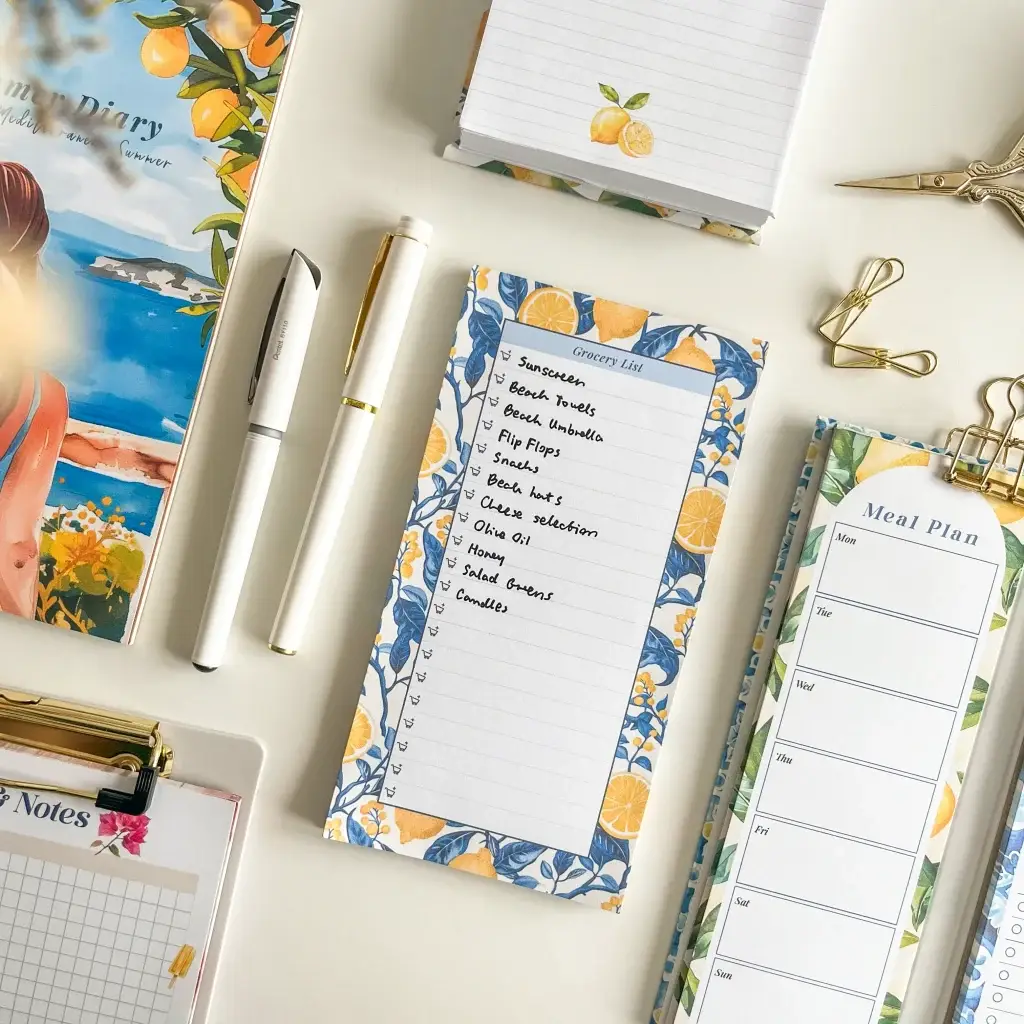
The template has three price bands, a column for links or shop names, a claimed column for family use, and a kids' version with the four categories. Print it, fill it in, stick it on the fridge.
Frequently asked questions
When should I make my Christmas wish list?
Late November or the first week of December. Early enough that people haven't finished shopping, late enough that you know what you actually want.
Is it rude to ask for specific things?
The opposite. Most people find gift-buying stressful and are relieved to be told. Specific requests are a kindness, not a demand.
Should I put expensive things on my list?
One or two, yes - clearly marked. Some families group together for a bigger gift, and they can't do that if they don't know what it'd be. Just don't make it the whole list.
What if I genuinely don't want anything?
Then ask for consumables or experiences: good coffee, a meal out, a donation to something you care about. People generally want to give something, so giving them an easy option is better than refusing.
How do I share my wish list?
However your family already talks - a photo of the printed sheet in the group chat works as well as anything. The format matters far less than sending it in time.
Make it your own
If you'd rather build a wish list that matches how your family actually does Christmas - different price bands, more people, a gift-tracking column - you can make your own from scratch and print as many copies as you need.